Yu (Andy) Huang
Senior Scientist, Soterix Medical Inc.; Incoming Assistant Professor Fall2026 at UCCS.

Yu (Andy) Huang (黃煜)
andypotatohy at gmail.com
I wander around the boundary between academia and industry. I innovate at the cutting edge of physics, engineering, computer science, and biomedicine. I ask the questions on computation, intelligence, and life.
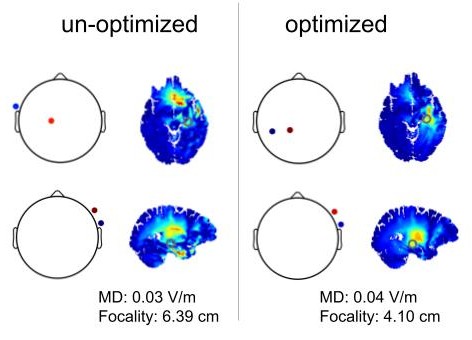
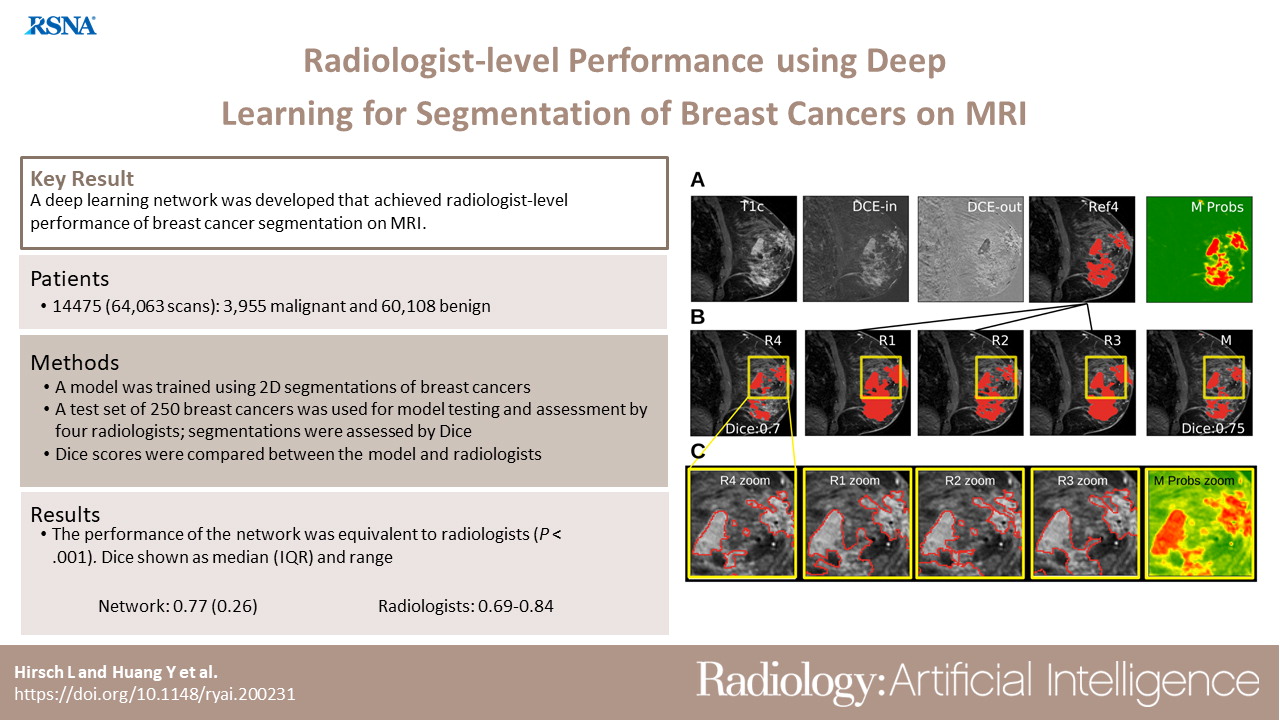
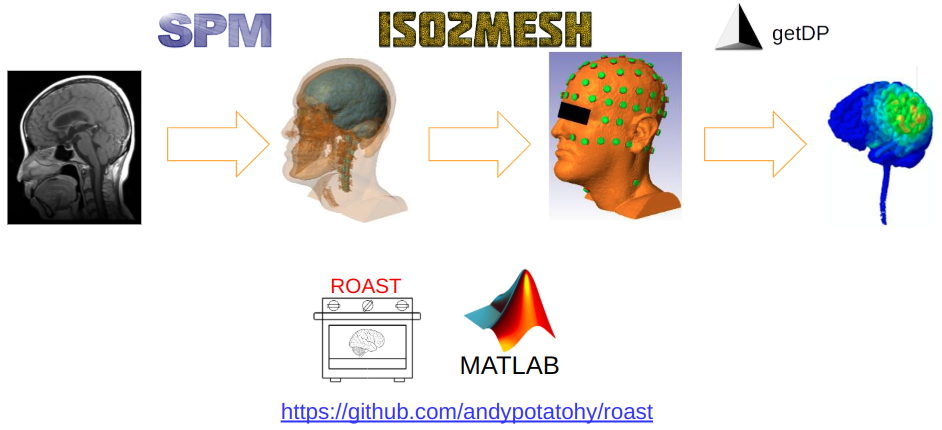
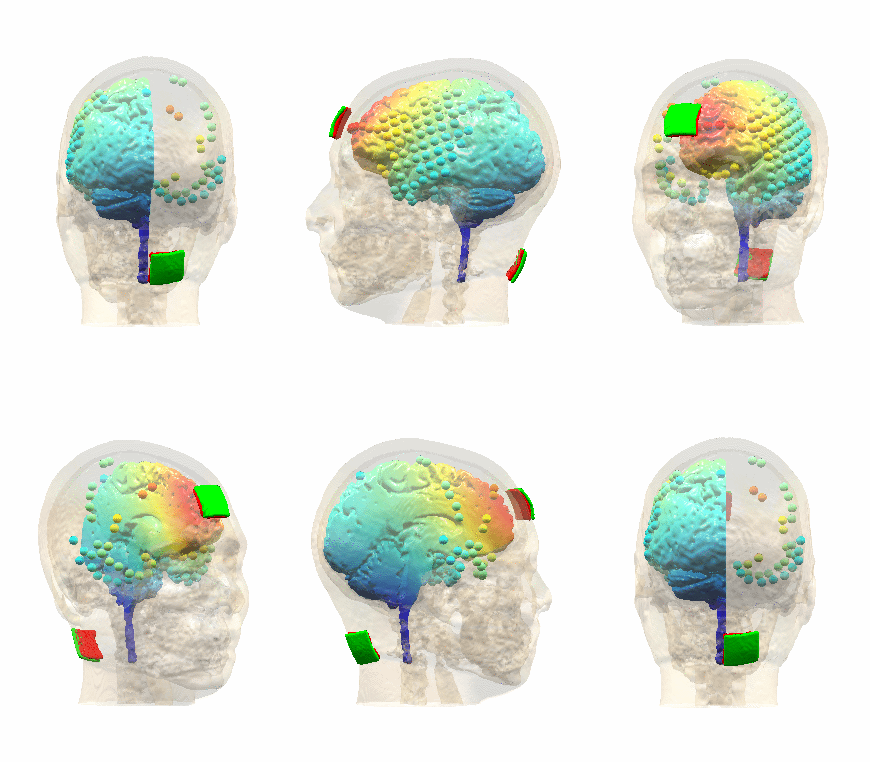
Trained as a biomedical engineer, I created a software for brain stimulation, and spent 5 years in a company to commercialize it. I worked with medical doctors to design machine learning (AI) systems to detect diseases from medical images. But as in almost all machine-learning projects: machine learns, I don’t learn. I want to know why it learns or does not learn. I also want to get inspired from biological systems and even philosophy to engineer the next generation of AI.
So here’s my visions for my upcoming tenure-track position:
-
Create AI systems (mechanistic and/or data-driven) for biomedical engineering and informatics. I would not call it “AI for Science”, as AI does not understand science. It’s just a tool, so it’s essentially AI for scientists or more broadly, AI for human
-
LLMs are a monster we created that we don’t even understand. We don’t understand why they hallucinate because we don’t fully understand its building blocks. We don’t even fully understand an MLP. But this monster offers a tool to study both machine and biological cognition. So instead of scaling everything up, I want to dig everything down. I would call this Aronscience (artificial neuroscience), or Science for AI.
-
Create next generation of AI with world models and intrinsic goal-chasing ability, leveraging our current understandings in biology instead of computer science (definitely not language models). I’d call it Science-Inspired AI. The ultimate question asks, both philosophically and scientifically, can computation alone achieve human-level autonomous intelligence?
Feeling inspired? Shoot me an email for anything (ideas, discussions, collaborations, etc.). I’m hiring one PhD student in the 2026–2027 academic year (email me for details).